New Lawn Installation in Perth: Timing, Soil Prep, and Aftercare for Success
Thinking about a new lawn in Perth? We cover the best time to turf, ground preparation tips, and how our team helps Perth gardens look their best.

A Bare Patch or a Full Renovation: Getting a New Lawn Right in Perth
A bare plot after a build, a lawn that has given up after years of moss and weeds, or simply a garden that needs a proper reset. Whatever the starting point, getting a new lawn right in Perth comes down to preparation, timing and knowing what our local conditions actually demand.
Perth's climate is not always kind. Wet winters, hard frosts, and ground that can sit waterlogged for weeks in Kinnoull or North Muirton are all part of life here. Get the groundwork right and a new lawn will establish well. Rush it, and you are back to square one by the following spring.
This guide covers everything from soil prep to the best time to lay turf in Perth & Kinross, so you know exactly what to expect when you get in touch with us.
When Is the Best Time to Lay a New Lawn in Perth, Scotland?
Timing matters more than most people realise. In Perth, the two best windows for laying turf or establishing a new lawn are:
- Late spring (April to early June): The soil is warming up, frosts are mostly behind us, and there is usually enough rainfall to keep new turf from drying out.
- Early autumn (late August to October): The ground is still warm from summer, rain returns naturally, and grass roots have time to establish before the hard frosts arrive.
Midsummer can work, but new turf laid in July or August in Perth needs consistent watering. Dry spells on south-facing gardens in Cherrybank or Craigie can stress new grass quickly if it is not kept moist.
Midwinter is the one period to avoid. Frozen or waterlogged ground in January or February will not let roots establish, and you risk the turf lifting or rotting before it ever gets going.
If you are thinking about a new lawn, autumn is often our preferred window. The soil is in good condition, weeds slow down, and the grass has a full season ahead of it to root in properly.
Sorting the Ground Before You Lay a Single Roll of Turf
This is where most DIY lawn projects go wrong. Laying turf on unprepared ground is like painting over a damp wall. It might look fine at first, but the problems show up quickly.
Here is what proper ground preparation involves:
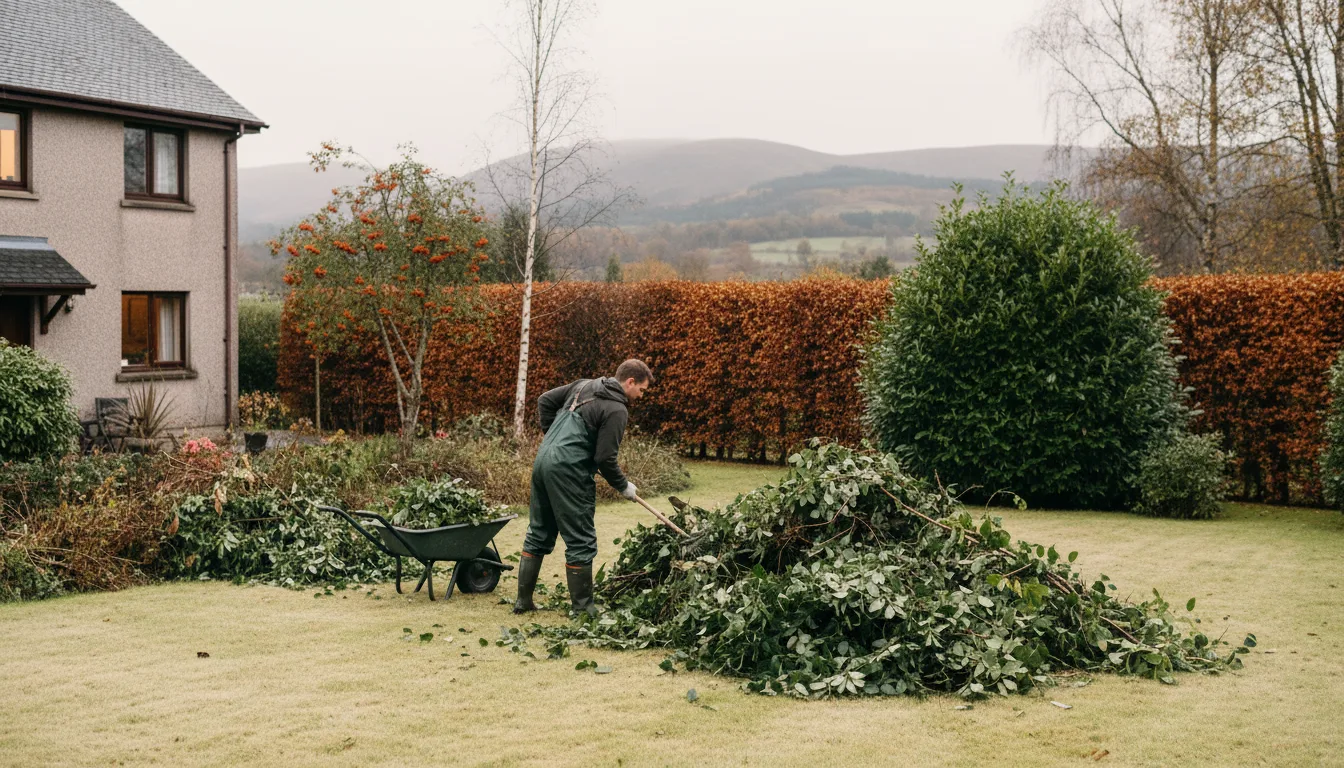
Clear the existing surface. Weeds, old grass, moss and debris all need to come out. If the existing lawn is full of weeds, simply covering it over will not work. Persistent weeds like couch grass or creeping buttercup will push through new turf within weeks. We clear the area properly before anything else happens.
Check levels and drainage. Uneven ground leads to puddles, scalped patches when mowing and a lawn that never looks quite right. We grade the soil to a gentle fall so water drains away rather than sitting on the surface. This is especially important in lower-lying parts of Perth like Bridgend, where ground can hold water after heavy rain.
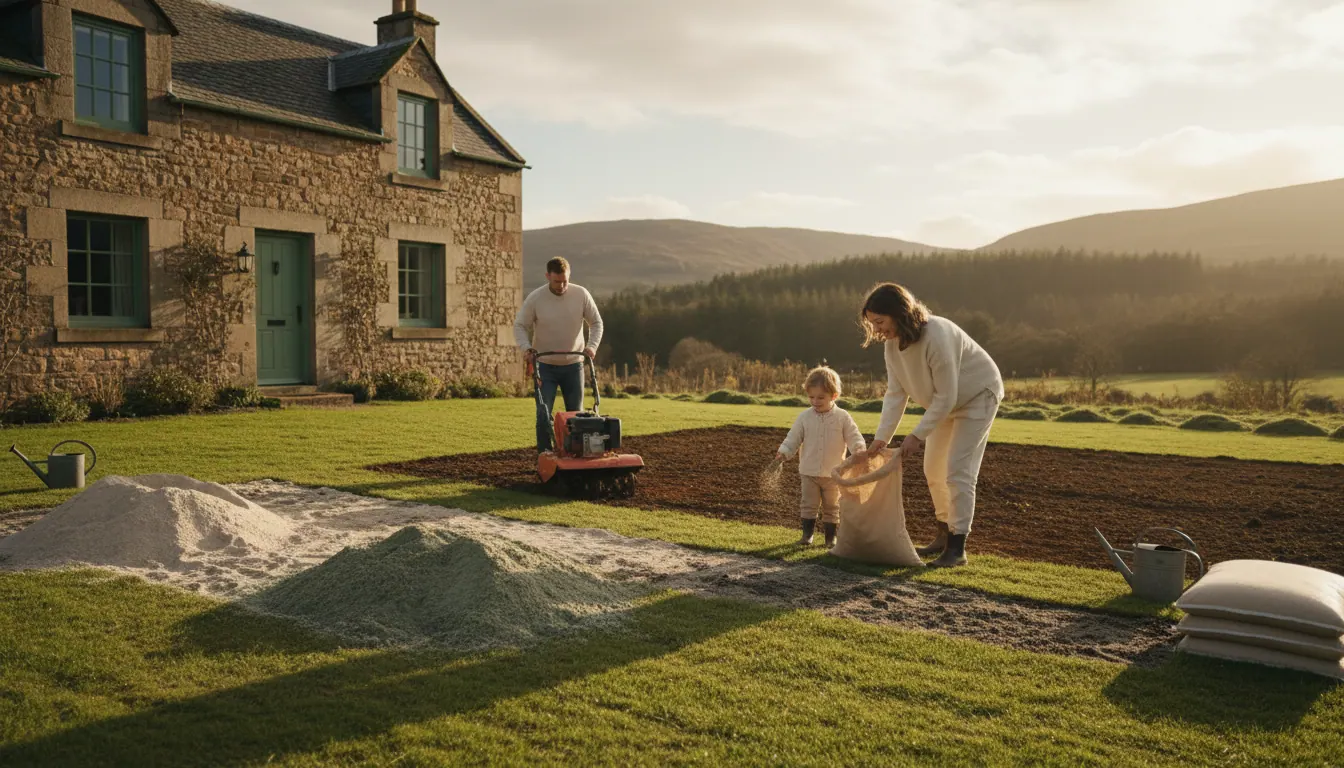
Improve the soil. Perth soils vary. Some areas have heavy clay that compacts easily; others have lighter, free-draining soil that dries out fast. Before laying turf, we work in organic matter or a suitable topsoil to give the roots something to get into. A depth of around 10 to 15 centimetres of good topsoil makes a real difference to how well the lawn establishes.
Firm and rake. The surface needs to be level and firm enough that it does not sink unevenly once the turf is down. We rake it to a fine tilth, remove any stones, and let it settle before laying begins.
What to Put on Soil Before Laying Turf or Grass Seed
A question we hear often: what should go on the soil before the grass goes down?
For turf, a pre-turf fertiliser worked into the top few centimetres of soil gives the roots an immediate source of nutrients to draw on. It encourages faster rooting and helps the lawn green up more quickly.
For grass seed, the same principle applies: a base feed mixed into the soil before sowing, followed by a light raking to cover the seed. The soil surface needs to be fine and firm so seeds make good contact with the ground rather than sitting on top and washing away.
In both cases, avoid anything too high in nitrogen at this stage. You want root growth, not a sudden flush of soft, lush top growth that is vulnerable to frost or drought.
Turf or Seed: Which Is Right for Your Perth Garden?
Both have their place, and the right choice depends on the job.
Turf gives you an instant result. Once it is laid and the joins have knitted together, the garden looks finished. It is the better option for families in Letham or Tulloch who need the garden usable quickly, or for anyone preparing a property for sale. New turf can be walked on lightly within a few weeks.
Grass seed is a slower process but suits larger areas or situations where the ground is being gradually improved. It needs more attention in the early weeks to keep birds off and the surface moist, but it can produce an excellent lawn if conditions are right.
We will talk through both options with you when we come out to look at the site. There is no one-size answer.
Keeping a New Lawn Going: The First Season
Laying the turf is the beginning, not the end. The first season is critical.
- Watering: New turf needs regular watering, especially in dry spells. In the first two weeks, water daily if there is no rain. Once the roots have started to knit into the soil below, you can ease off.
- First cut: Wait until the turf has rooted firmly before mowing. Tug a corner gently; if it lifts easily, it is not ready. When you do mow for the first time, keep the blade high.
- Avoid heavy use: Keep children and pets off the new lawn for the first few weeks. Soft, newly laid turf compresses easily and can develop uneven patches if it is walked on too soon.
- Watch for gaps: If any areas fail to knit or dry out, they can be patched early before they become a bigger problem.
If your existing lawn has got to the point where it needs more than a tidy-up, it might be worth reading our guide on how to scarify your Perth lawn in autumn to understand how renovation fits alongside a full returfing project.
New Lawns as Part of a Wider Garden Project
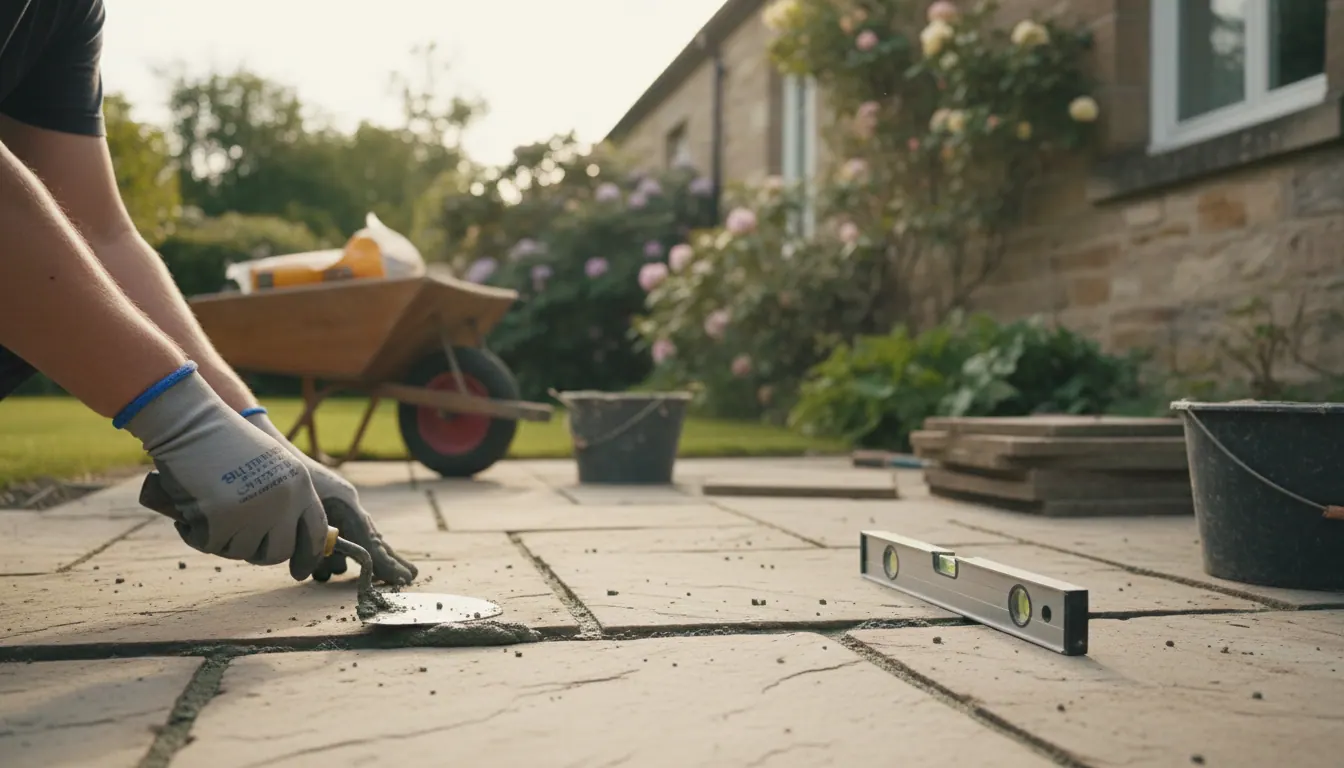
A new lawn rarely sits in isolation. Most of the gardens we work on in Perth & Kinross involve a combination of things: a new lawn alongside fresh planting borders, a path or patio, some fencing or screening, or a full clearance of an overgrown space before we start.
If you are starting from scratch on a new build in Tulloch or Craigie, or resetting a garden that has been neglected for a few years, a new lawn is usually one part of a bigger plan. We are happy to look at the whole picture and work through it in the right order.
Neat edges are part of what makes a new lawn look really finished. Our article on lawn edging for Perth gardens goes into detail on how clean borders make a real difference to the overall result.
Frequently Asked Questions About New Lawns in Perth
When is the best time to plant grass or lay turf in Perth, Scotland? Late spring and early autumn are the two best windows. April through to early June works well as the ground warms up. Late August to October is equally good because the soil is still warm, rain increases naturally, and the grass has time to root before winter. Avoid laying turf on frozen or waterlogged ground in the depths of winter.
What should I do if my existing lawn is full of weeds? Laying turf or seeding straight over a weedy lawn will not solve the problem. Persistent weeds will push through. The right approach is to clear the area properly first, removing all existing vegetation and preparing the soil from scratch. We do this as part of our turfing work so the new lawn starts with a clean base.
What do I put on soil before laying turf or sowing grass seed? A pre-turf or pre-seeding fertiliser worked into the top layer of soil gives roots something to draw on straight away. It encourages faster establishment and a healthier lawn from the start. Avoid heavy nitrogen feeds at this stage; you want root development, not a rush of soft top growth.
Can you lay a new lawn as part of a bigger landscaping project? Absolutely. Most of our projects in Perth combine a new lawn with other work such as border planting, paving, fencing or a full garden clearance. We are happy to look at the whole garden and plan the work in the right order so everything comes together properly.
Ready for a New Lawn? Get in Touch
If your garden needs a fresh start, we would be glad to come out, have a look and give you a free, no-obligation quote. We serve Perth and the surrounding districts including Letham, Cherrybank, Bridgend, Kinnoull, North Muirton, Tulloch and Craigie. Professional. Reliable. Local. Transforming outdoor spaces, every time.
Call us to book your free consultation and let us get your garden sorted.